
Tracing Former Sawyer County Property Owners
Work from the newest deed back, one transfer at a time. The date range decides where you look. Sawyer County's searchable deed index starts in December 1919. Real-estate images reach back to 1883. Plats and certified surveys explain how the land was divided. Probate files can show why an estate or fiduciary stands between two owners. Older records are not all indexed online. A request at a county office may be part of the chain.
| Source | Years It Covers | Where Held | What It Shows |
|---|---|---|---|
| Online deed index | December 1919–present | Register of Deeds / Fidlar | Indexed names and recorded transfer references. |
| Real-estate deed images | 1883–present | Register of Deeds / Tapestry or counter | Instrument text and legal description. |
| Plats, CSMs, surveys | Historic runs not stated | Register of Deeds / Land Records | Lot divisions and survey context. |
| Hayward Sanborn maps | 1892, 1898, 1909 references | Wisconsin Historical Society | Historic street and building context. |
For 1920 and later, use the online name index. Older years take different handling. The Register can reach an image or older volume for 1883 through November 1919 when you bring a date, name, book and page, or parcel clue. Family records can link an address to a name. Only the recorded deed establishes the land transfer.
The Sawyer County 1919 Name-Index Cutoff
The online name index begins in December 1919. The deed images reach back to 1883. That 36-year gap shapes the hunt. A query that returns nothing for 1900 does not mean the land sat unowned. The index may simply stop short of that year. The Register of Deeds remains the practical guide to the older books and image references.
Sawyer County was organized in 1883. The Register's image range reaches into that first county era. No fire, flood, or index destruction marks the county's record history. The old material survives in books rather than indexes. Note which year range you searched. That note separates an index cutoff from a truly missing record.
Occasional users pay Tapestry $6.95 per search and $1 for each image page. Frequent users can ask about a Laredo agreement. A paid portal that returns no name hit does not close an older chain. The image may still wait at the counter. Keep the date range, spelling, and parcel clue with each result. Later searches can then be compared.
Open the Sawyer County Tapestry deed index for the searchable run. The Register's coverage page lists the image and index spans. Check both first.
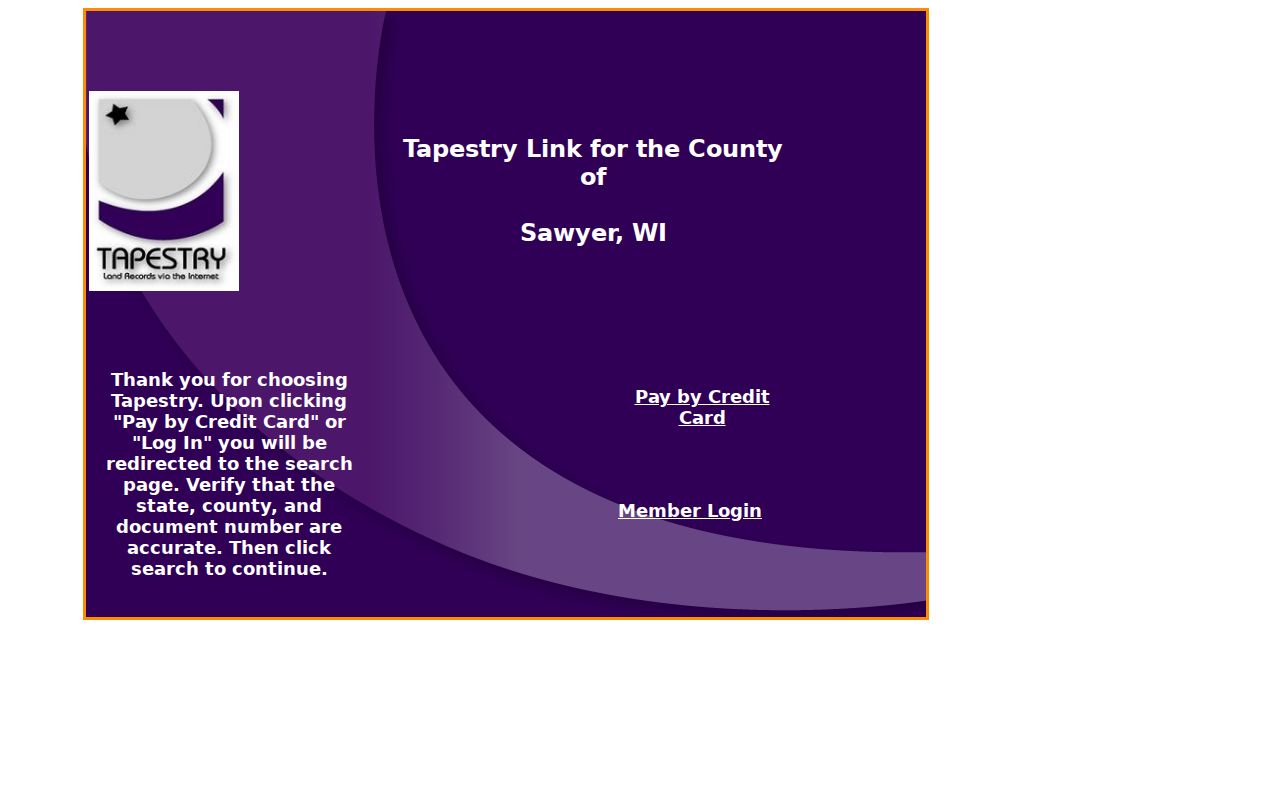
Tapestry handles the indexed era; older records need staff.
Older Sawyer County Deeds May Be Office-Only
A county notice for document 201448 says an item may still be available from the Register of Deeds when Tapestry returns nothing. The office is the fallback, at 715-634-4867. The notice lists no parties or dates. It is not a sample owner record.
When the trail stalls, give the clerk the parcel ID, known names, an approximate date, and the legal description. Ask where the record lives. It may sit in a deed book, an image run, or another index. Avoid repeating a broad name search. A sharper land clue works better.
The Sawyer County document notice is the source of the office-only warning.
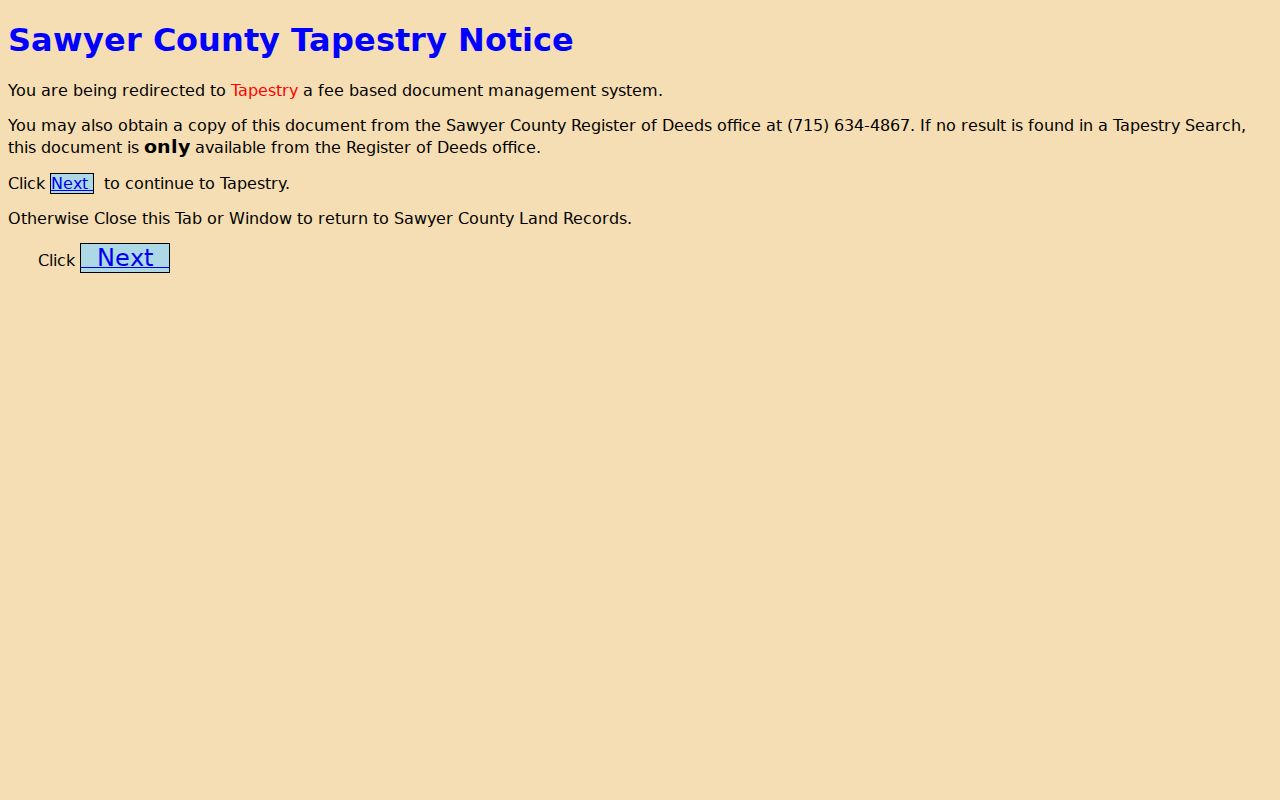
The notice shows why an empty portal result should lead to a custodian inquiry.
Walking Back Through the Sawyer County Deed Chain
Every recorded deed names a grantor and a grantee. Trace the current grantee's deed and read who conveyed it. Then search that earlier owner as a grantee. Match the same tract each time, since names repeat across parcels and legal descriptions can shift after a division.
- Locate the newest deed and note its grantee, grantor, date, parcel, and legal description.
- Search the grantor as an earlier grantee to find the deed by which that owner acquired the tract.
- Repeat while checking the description and any plat or survey reference at every step.
- At the 1919 index boundary, contact the Register for earlier images or deed-book indexes.
- Grantor
- The party conveying the interest.
- Grantee
- The party receiving the interest.
- Chain of title
- The chronological sequence of recorded transfers for the land.
- Legal description
- The written land boundary used to match a deed to a parcel.
Pre-1992 Sawyer County Legal Descriptions
Before March 1, 1992, a complete legal description was not required on every document under state law. A deed may name a party yet read nothing like a modern parcel description. Keep the book and page or instrument reference. Compare it with later deeds, plats, certified survey maps, and the parcel's current number.
The parcel ID works as a join key. It cannot repair an incomplete older description alone. A Surveyor's file or a plat may explain how the land was divided later. Old wording has value. If the deed cites a government lot, section, township, or range, keep that wording intact when you ask the Register for help.
For an older transfer, gather every reference. Include the recorded name, date, book and page, later parcel number, and any survey or plat citation. Sawyer County notes that not every pre-March 1, 1992 instrument carried a complete description. A title company can reconcile changed descriptions. The Register can point to the right historical book or index. Together these clues close gaps.
Probate Transfers in a Sawyer County Chain
Probate often explains a strange name in a deed chain. When a former owner died, the land still had to move. An executor, administrator, or heir signed the papers. WCCA gives a case summary. The Sawyer County Probate Registrar keeps the full file, with petitions, letters of authority, inventories, and the final orders. The recorded executor or administrator deed ties that court authority to the next grantee in the land records.
A death record has limits of its own. Wisconsin Vital Records restricts some recent death details. A fact-of-death record leaves out cause and burial. Never infer title from an obituary or a cemetery entry. The Sawyer Circuit Court probate page connects you to WCCA and clerk access for the deeper file.
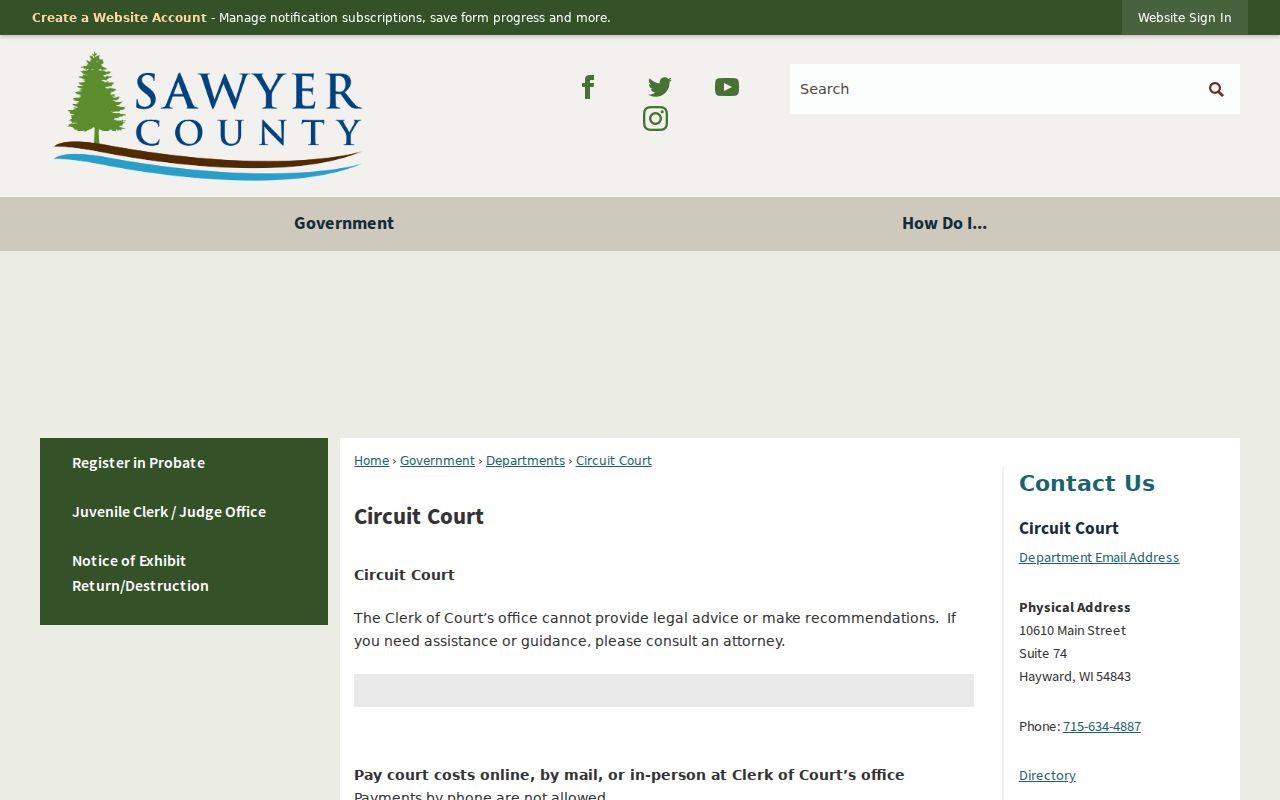
A probate file explains authority, while the recorded deed confirms the land transfer.
Historical Sources Around Sawyer County Deeds
Old maps, county histories, and newspaper files help here. They can connect a name in the deed records to an actual place. The Wisconsin Historical Society runs a statewide catalog. It covers historical maps, newspapers, and early vital indexes. Hayward Sanborn map references exist for 1892, 1898, and 1909. Check catalog status before you travel, though. These sources add color to a parcel's past. They do not prove transfer. For the legal land trail, the deed, plat, or survey still governs.
East of Hayward on Highway B sits the Sawyer County Historical Society Museum. It holds photographs, documents, and property-history context for the area. Its published number is 715-634-8053, and access runs seasonal, by appointment. No deed index or directory collection is named there. Still, it is a worthwhile stop before digging through the recorder's older volumes.
Names from an old deed chain can also appear in birth, marriage, and death records. The Wisconsin Department of Health Services explains genealogy access to historical vital records. This is a separate avenue for placing former owners in time. It works alongside the parcel number and tax roll evidence.
State genealogy records can build the family context, within the posted coverage and eligibility limits. The Sawyer County Historical Society museum page lists its access terms and seasonal hours.
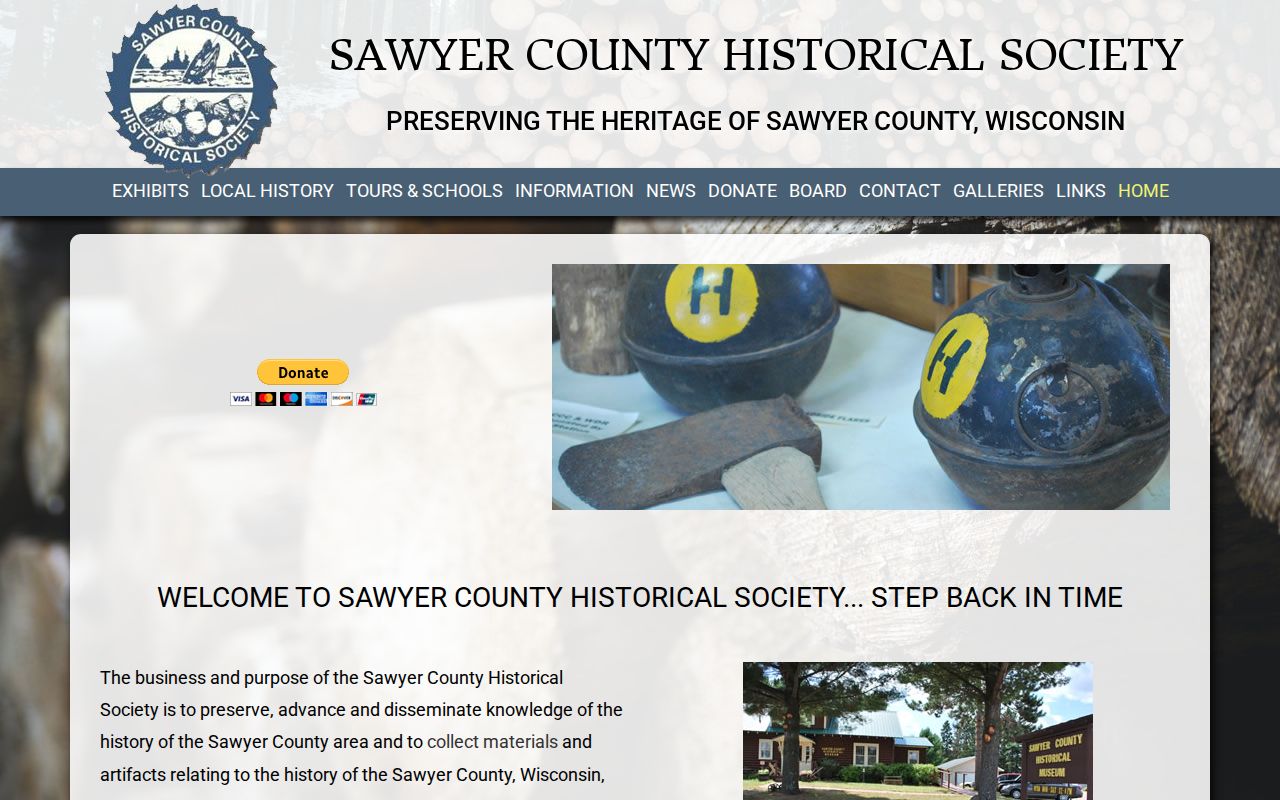
Use local photographs and papers as leads, then confirm the chain in land records.
How Far Back Sawyer County Ownership Records Reach
Sawyer County deed images on record start in 1883. The searchable name index begins in December 1919. Anything earlier may live in predecessor-county or federal land-patent records. The county publishes no complete pre-county deed run. So ask the Register where an original conveyance might be indexed. A deed book, survey, or plat could hold the better key. It may reveal that first owner of record.
Lawful use. Former-owner research can support house history, title review, and property diligence. Do not use it to track or harass a living person; Wisconsin Statute §940.32 addresses stalking conduct.